
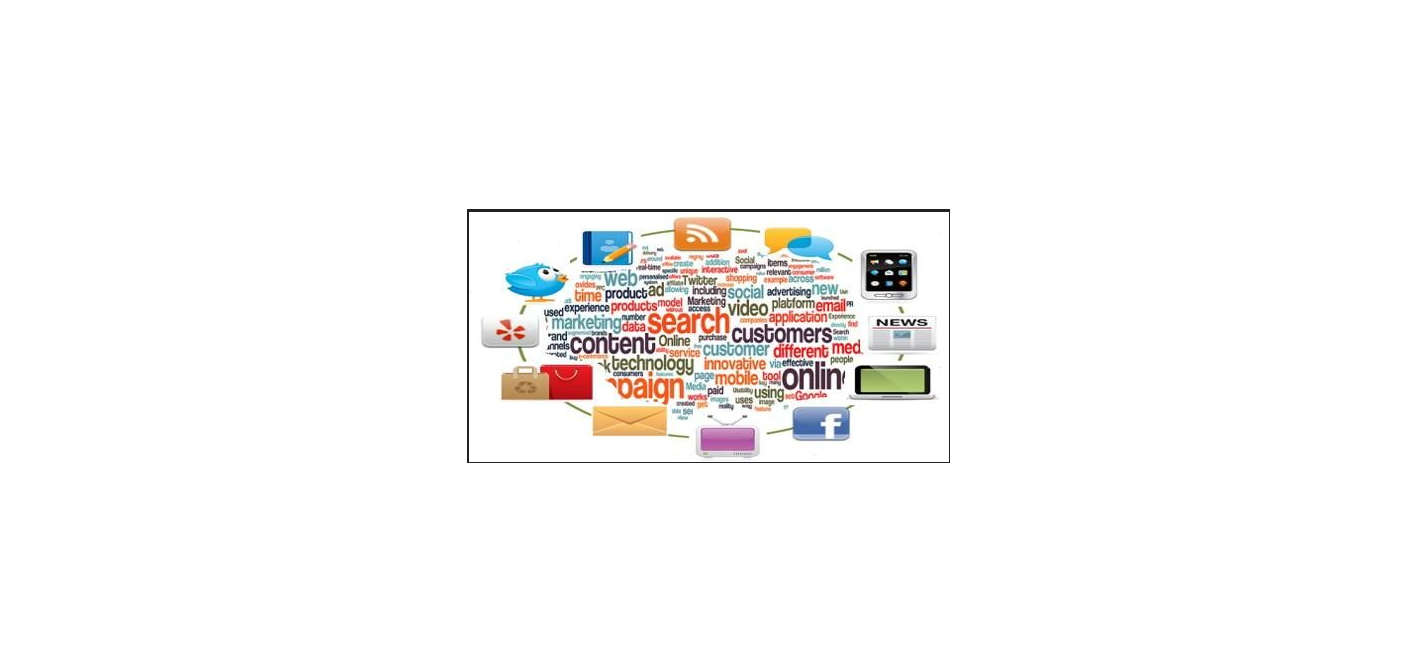
The main difference between man and animal often is considered to be consciousness. An addiction can be described as a persistent use of drugs despite substantial harm and adverse consequences, especially the loss of consciousness and thus our ‘humanness’ . Our current tendency to be ‘glued to our smartphones’ is like an addiction and take away consciousness. There is a fairly easy way against that by ‘separating channels’.
Traditional substances
Drugs – In the ‘War on Drugs’ with all of its local variations governments have been exceptionally ineffective: the effects of the usage of hard drugs have moved away from the public eye but the effects of the undermining effects of the drug-industry are unsettling, where in countries like The Netherlands an ever increasing financial and societal cost on the legal system with wanton killings of lawyers and witnesses reaching almost Italian levels.
At the same time, the half-hearted legalization of the recreational use of marihuana in e.g. the United States has mixed results on undermining.
Tobacco – The usage of tobacco seems fairly well under control in the world, although the stepping out of e.g. Philip Morris raises the question whether the challenge with tobacco will shift from (the effects of) use towards the undermining effects of supply.
Alcohol – Globally controlled and taxed, where little or no undermining effects are seen after the U.S. “Prohibition” but a continuous usage problem worldwide
Sugar and salt – Obesity is one of the great still fairly unrecognized upcoming crises. Governments have been spectacularly unsuccessful in reducing sugar or salt levels despite formal agreements to that effect, but undermining has not really been an issue with multinationals formally adhering to local laws.
Mental addictions
Gambling – With government-controlled or inspected casino’s, the usage effects seem to be fairly well under control. Rumors of undermining in the industry can not be substantiated here.
Television – Often not seen as an addiction, but how many people spend most of their time watching TV? Whenever I come home, I see one of my neighbors sitting in front of the television, one of my elder relatives (deceased by now) was known to have spent all of his time after retirement on the couch practicing remote control. Social clubs like choirs, music bands, chess clubs etc. are on the wane because of the easier escapism offered by the ‘tube’.
Video games – About 10 years ago already an addiction expert stated that the main addiction he was treating had shifted from substance abuse to video game addictions, where youth would be escaping from the institution to participate in nightly in-game raids with their group or clan. Whereas Global Box Office revenue for movies was 42 bn US dollar in pre-COVID 2019, the Global Video Market revenue was with 150 bn, more than triple., with the Asian market at 72 bn US dollar almost already double (Source: http://www.Statista.com). The Chinese government has imposed a three-hour limit to video games on their youth per week as of September 1, since 50% of their population play on average more than six hours per week. In Western Europe such limits are considered by some to be ‘undue use of parental authority’ and in effect have become virtually impossible to monitor through the movement to mobile games.
Social media – the growth of usage of social media in general is obvious, the growth of Facebook/Meta and Google and the ever-growing screen time is evident.
News – partially overlapping with previously mentioned addictions, the lure to the TV by the 8 o’clock News, often followed by a continued viewing of the programs following afterwards. However, also the continuous checking of news sites for updates. Whereas the dopamine flowing from ‘being in the know’ used to be triggered by reading a newspaper or a magazine, there now is a consistent pull by updates from news sites. And because we use our smartphones for all these other functions, from alarm clock to communication and so on, the seduction is continuously ‘in our face’.
Conclusion
Whereas some readers will concur that the moderate consumption of most of these addictions is not a problem per se, the challenge lies in the ubiquitous exposure to mental addictions for modern man: whereas for the physical addiction one needs to go to a shop – where one might already need to be anyway for groceries but still – but the unification of media makes the mental addictions virtually inescapable. The growth of screen time seems unstoppable and limitless, leading to a loss of consciousness for our species. A dystopian future where mankind is fed and entertained as a domestic animal for energy production and entertainment of a more conscious species comes one step closer.
Still, we are not completely powerless because the choice of our channels generally is a more conscious one. Here we can more easily take control: the workaholic can separate the business mobile from the private one, we can play games only on consoles or a specific laptop, uninstall news apps and read the newpsaper, and even – lèse majesté twenty years ago – not replace the broken television.
Good luck with leading a conscious – human-worthy – life.

 Peter Alderliesten's Blog